
Outfit Ideas
How to Create Outfits From Clothes You Already Own
When you have plenty of clothes but nothing feels right, start with one anchor piece. This method turns individual garments into repeatable outfits.
In this guide
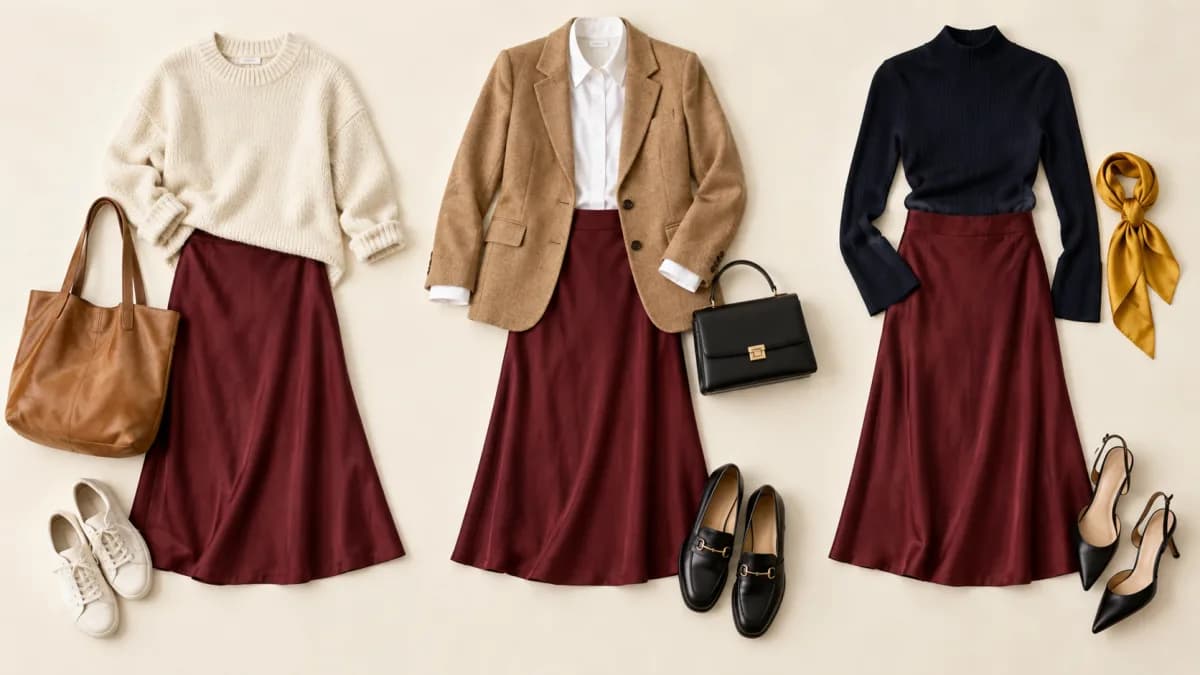
To create an outfit from clothes you already own, choose one anchor piece, add pieces that suit the same occasion, then check comfort and proportions in real life. You do not need a brand-new combination every day. A repeatable outfit that works is a useful result.
The difficult part is often remembering your options. A digital wardrobe makes those options visible, but the method also works with clothes laid out on a bed.
Begin with the day, not the trend
Write down the practical constraints first. Will you walk outside? Sit in strong air-conditioning? Move between work and dinner? Do you need a particular shoe, a pocket, or a layer you can remove?
These details cut out unsuitable combinations. “Comfortable for a long commute and tidy enough for a casual office” is a useful brief. “Something fashionable” leaves almost every decision open.
If the problem is that the closet looks full and still feels empty, start with why a full closet can still leave you with nothing to wear before you try a more elaborate formula.
Pick an anchor piece
Choose something you want or need to wear: trousers that fit comfortably, a dress appropriate for the event, or shoes you can walk in. Keep it fixed while you compare the other choices.
Suppose the anchor is a pair of wide-leg navy trousers. Start with a simple white top, then compare a close-fitting knit and a relaxed shirt. Each can work, but the volume and the formality change. Try a partial tuck, an open layer, or a different shoe before deciding the trousers are the problem.
Change one variable at a time. If you change every piece, it becomes harder to understand why the next combination feels better.
Balance proportion and visual weight
Proportion is the relationship between the lengths and volumes in the outfit. It is not a rule about making your body look smaller. It is a way to understand why the same pieces can feel deliberate in one combination and unresolved in another.
With wide-leg trousers, compare a closer top, a partial tuck, and a loose shirt worn open. The trousers have not changed, but each option gives their volume a different boundary. If a long jacket and a long skirt feel heavy together, first try a shorter layer or show a little more of the sleeve, neckline, or shoe before replacing either garment.
Footwear carries visual weight too. A low-profile trainer keeps a wide trouser relaxed; a loafer makes the same base tidier; a substantial boot can balance a heavier coat. None is universally more flattering. The right choice is the one that supports the occasion and the line you want.
Texture can do the job of extra color. A smooth trouser with a ribbed knit and leather shoe has contrast even when every piece is neutral. When an outfit feels busy, simplify either the color story or the textures rather than changing everything at once.
Try three adaptable formulas
| Situation | Starting formula | A change to test |
|---|---|---|
| Everyday errands | T-shirt, straight-leg trousers, trainers | Add an open shirt for shade or indoor cooling |
| Casual office | Shirt, comfortable tailored trousers, tidy shoes | Roll sleeves or remove the layer after work |
| Dinner with friends | A favorite dress or separates, one deliberate accessory | Change shoes to suit the walking involved |
These are starting points, not rules about bodies or gender. Substitute pieces you own and feel comfortable wearing. A formula is successful when it reduces decisions without making you feel dressed as someone else.
If you want fewer pieces in circulation, build a capsule from what you already own and reuse these formulas inside that smaller set.
Use color as a small decision
Pick one color to repeat or one contrast you want to try. A bag can echo a shoe, a printed shirt can supply the color for a plain bottom, or several neutrals can keep the outfit quiet.
You do not need to label every combination with a theory term. View the actual pieces together in daylight if possible. Similar colors can have different undertones, and a screen may not show them accurately.
Check the outfit on your body
A digital layout shows the pieces, not the way they move. Put the outfit on and sit, walk, raise your arms, and check the layers. Fabric feel, garment length, and shoe comfort are physical questions.
A virtual try-on preview can help compare a visual direction, but it is not a fit measurement or a promise of exact fabric behavior. Keep the final comfort check separate from the image.
Save what worked
In Fashion Frame, use Looks to save combinations from your wardrobe. The Dress me action can suggest combinations from your pieces; review the result and adjust it for the day. Save the result with a recognizable name and use Calendar when you want to plan outfits for the week.
The Home AI stylist is useful when you can describe a concrete problem: “Keep these trousers, make the outfit less formal, and use shoes from my wardrobe.” Give feedback about the pieces rather than asking for unlimited random alternatives.
Repeat with one purposeful change
After wearing an outfit, note what you would keep and what you would change. You might keep the base but swap the layer for the weather, or repeat the whole combination because it worked.
Before shopping for a missing piece, try the same role with something you already own. A lightweight overshirt may solve the need for a layer even if a reference photo used a blazer. The aim is a wearable outfit from your closet, not an exact copy of somebody else's photograph.
Frequently asked questions
How do I make more outfits without buying anything?
Use one anchor, then change a single variable: the top, the layer, or the shoes. A third piece — an open shirt, a jacket, a knit — often creates a new outfit from a combination you already wear.
What if I keep repeating the same five outfits?
That usually means the rest of the closet is hard to see or hard to combine. Photograph the overlooked pieces, then force one unfamiliar item into the next day's brief. The full-closet, nothing-to-wear guide is for that specific stuck feeling.
Should I save every combination?
Save the ones you would wear again. A short list of named looks is more useful than a long list you will not open.
Put the guide into practice
Start with your own wardrobe.
Save combinations in Looks, then plan when to wear them in Calendar.
Try Fashion FrameContinue reading
Outfit Ideas
How to Build a Capsule Wardrobe From Clothes You Already Own
A capsule wardrobe does not have to start with a shopping list. Build a smaller circulating set from the clothes you already wear, then fill only real gaps.
Outfit Ideas
Closet Full of Clothes, Nothing to Wear? Try This
A full closet can still feel empty. Name the day's constraints, change one piece in an outfit you trust, and stop shopping from the stuck feeling.
Outfit Ideas
How to Plan Outfits for the Week
Weekly outfit planning is choosing combinations before the morning you need them. Start with the calendar, reuse a base, and save looks you will actually open.